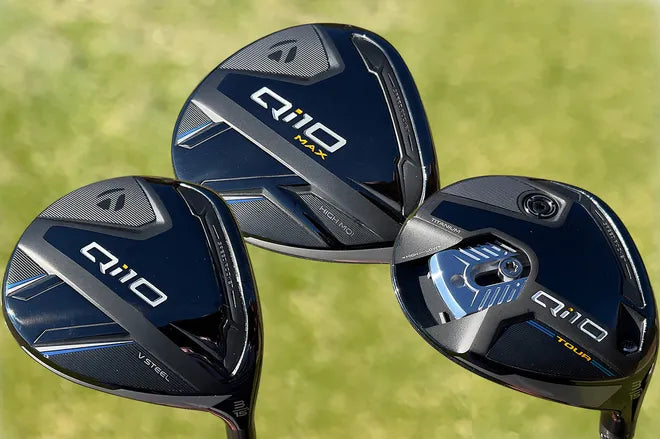
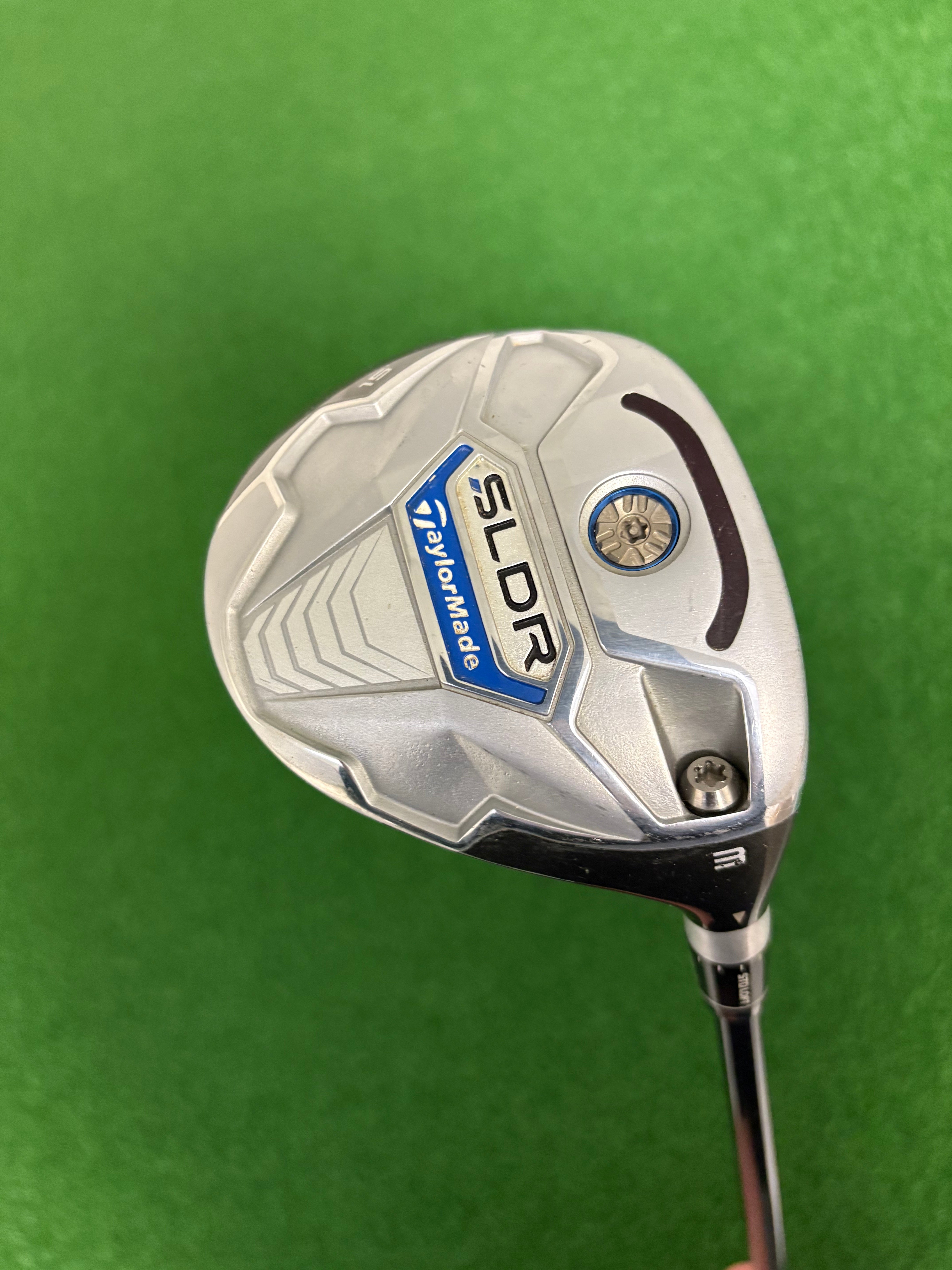
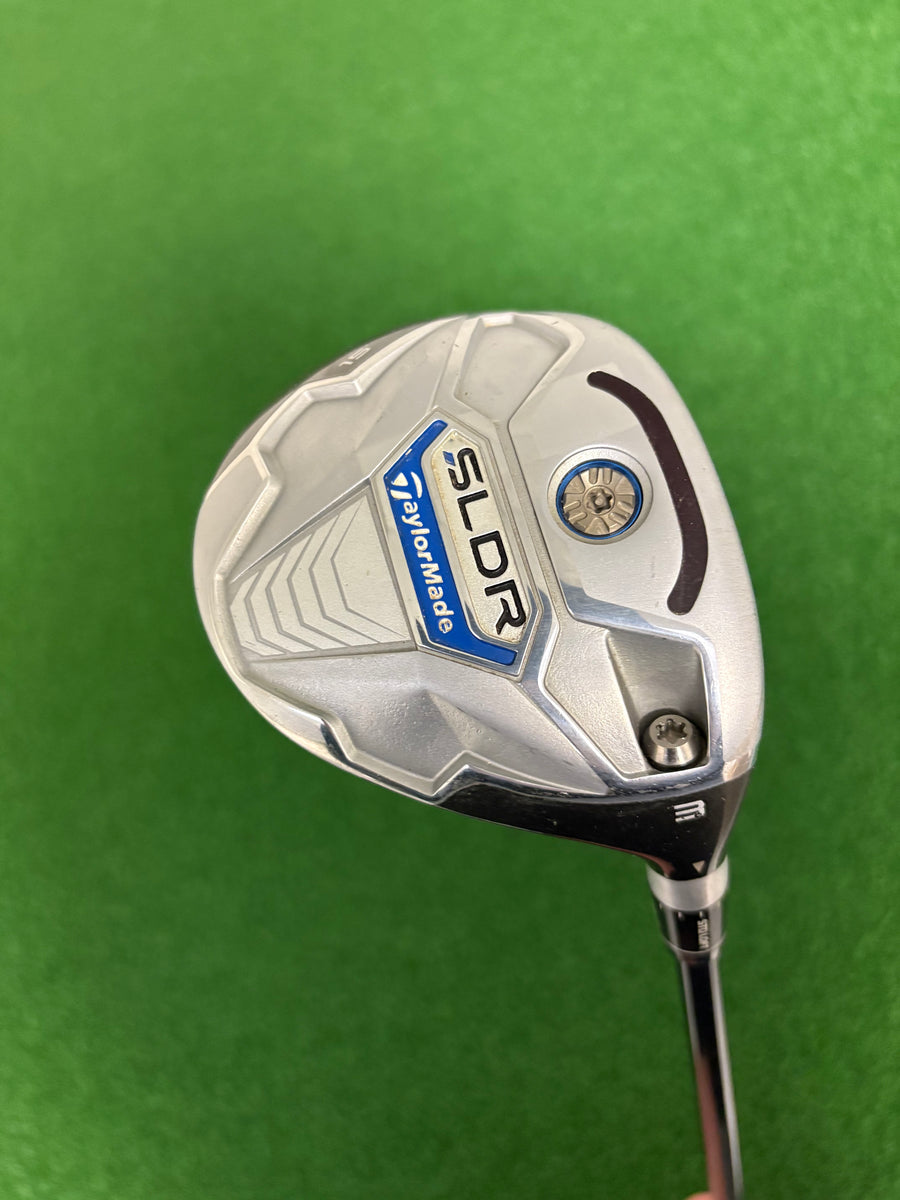
Understanding Different Types of Fairway Woods
There’s a wide range of fairway woods available to golfers, each designed for specific situations on the course. A helpful guideline to keep in mind: as the number on the wood increases, so does its loft — which generally means a higher ball flight and shorter distance.
Higher-Lofted Fairway Woods
Fairway woods with a number greater than 5 — such as 7, 9, or even 11 — are often called utility woods. Though not commonly found in every golfer’s bag, clubs like the 7-wood can be highly effective. They typically feature lofts between 20 and 24 degrees. Despite overlapping in loft with a 5-wood, these clubs are easier to handle due to their more compact clubheads, offering improved maneuverability in various lies.
3-Wood: The Go-To Option
The 3-wood is a foundational club in most players' arsenals, prized for its versatility across different playing conditions. It’s the longest of the fairway woods and is usually set at a loft between 13 and 18 degrees. When selecting the appropriate loft, your swing speed is a critical factor. Players swinging under 100mph will benefit more from a 3-wood with 15 to 17 degrees of loft for improved launch. In contrast, those swinging above 100mph may prefer a slightly lower loft of 13 to 15 degrees to maximize distance.
5-Wood: Filling the Distance Gap
Featuring lofts in the 18 to 22-degree range, the 5-wood serves as a mid-distance club between your 3-wood and higher-lofted options. For optimal performance, its loft should not exceed 3-4 degrees more than your 3-wood. Due to its higher loft, expect it to carry slightly less distance — around 190 to 210 yards for players with moderate swing speeds. It’s especially useful for approach shots or navigating tight fairways.
Let me know if you'd like this rewritten version formatted for a brochure, webpage, or any other format.